A 12-minute film made well is a more honest pitch than a 60-second reel.
Short films are how we develop our narrative practice. They're also how we attract directors and crew we want to keep working with.
HAND ran the festival circuit. Method is in post for submission. Floppy Disk is a small video essay we made because we wanted to. We treat each one like the feature it could grow into.
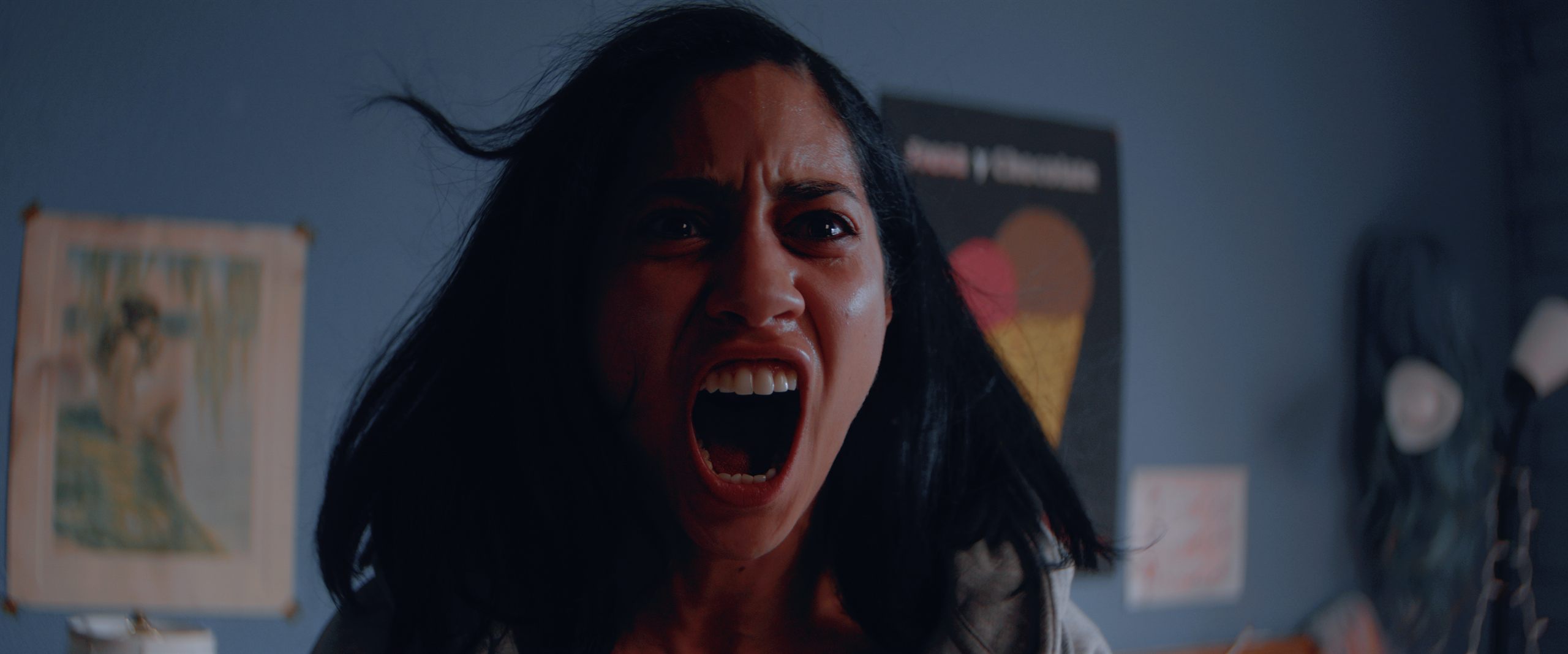
Short-form narrative is where craft compounds. Every short we shoot is a rehearsal for the next feature — the same crew, the same gear, the same in-house finish. We can move fast on a short because we don't have to assemble a new team to make it.
We also produce shorts on shorts' actual budgets. Most of our slate has run sub-$30k, with cinema cameras and proper sound, because the team is small and the prep is over-done. The result is a film that looks like film at a music-video budget.
And we believe in the festival path. We help directors and writer-directors plan submissions, deliverables, and the long tail. A short that wins the right festival changes the next conversation.
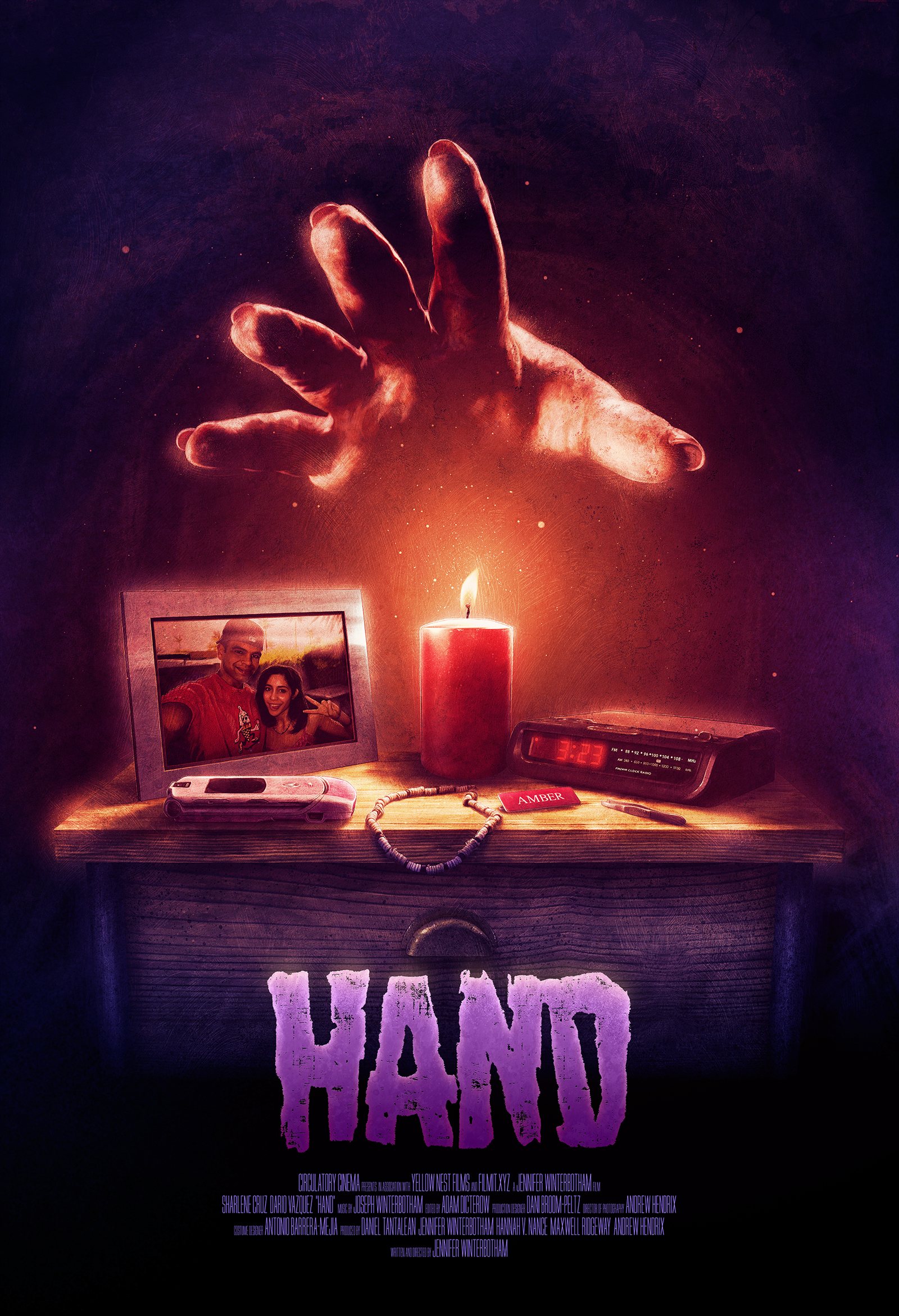
HAND was produced by Filmit in association with Yellow Nest Films. Directed by Jennifer Winterbotham, shot by Andrew Hendrix, edited by Adam Dicterow, colored by Eniko Edelsbrunner. Original music by Joseph Winterbotham.
The poster art (left) was the festival-deliverables key art. The case study page carries it as a magazine spread alongside the IMDb link. A short film with a real festival run earns its own marketing language — we help develop that language.
"We treat each short like the feature it could grow into. The same crew, the same gear, the same in-house finish."
— Filmit production philosophy
- 3 Shorts in active production / festival run
- Sub-$30k Typical short budget, full cinema finish
- 8-15 days Principal photography window
- In-house Edit · Color · Sound · DCP delivery
- 01
Script + treatment
Director's draft, table read, beat-out. We don't shoot the script until the script is the film.
- 02
Pre-production
Casting, locations, schedule, gear. Small crew sized to the script — usually 8-15 people on set.
- 03
Production
Cinema cameras, anamorphic glass, broadcast audio. Tight days, calm sets, room for the take that earns it.
- 04
Editorial
Director's cut first. We trim until every frame justifies its place. In-house, never outsourced.
- 05
Color & mix
Resolve color, scored mix, full festival deliverables packet (DCP, ProRes, sound stems).
- 06
Festival run
We help plan submissions, write the synopsis, prep the press kit. The film is only useful if it gets seen.
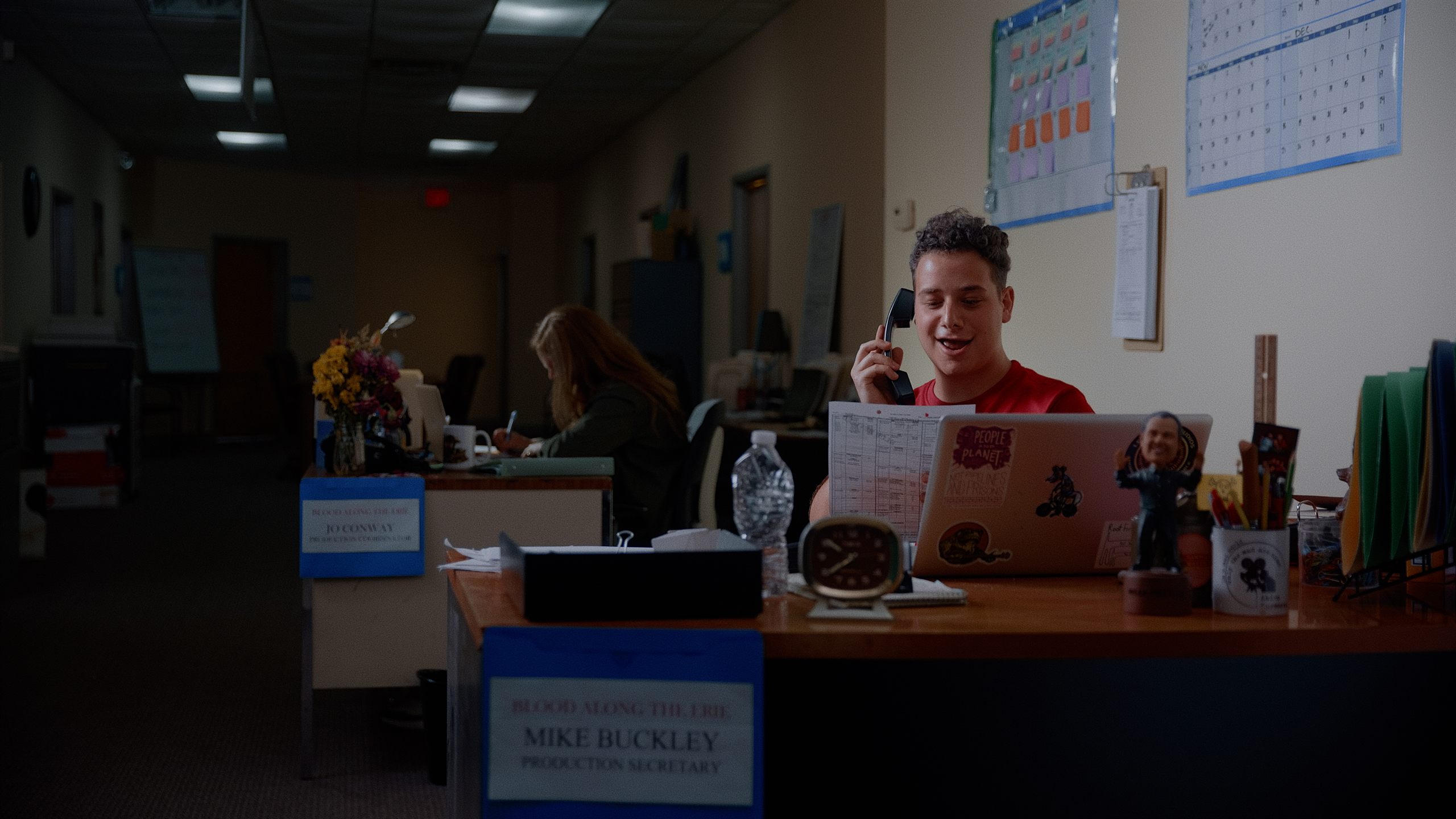
If you're a writer-director with a short you can't get made, the conversation starts at the bottom of this page. We're picky — we say no more often than we say yes — but the ones we take on, we take on completely.
- RED V-Raptor 8K capture for theatrical-grade short-form work.
- Atlas Orion Anamorphic prime set — the cinema feel out of the camera.
- Sennheiser MKH 416 Boom standard for narrative dialogue.
- Aputure / Litepanels Soft-source key + practicals for interior coverage.
-
Most of our short-film slate runs sub-$30k with full cinema-grade finish. Lower budgets are possible (Floppy Disk is essentially in-house labor only); higher budgets unlock more shoot days, larger ensembles, and pickup units. The number we care about most is whether the budget supports a real finish — color, sound, and festival deliverables.
-
Both. HAND is a production partnership with Circulatory Cinema and Yellow Nest Films, where Filmit was production company in association. Method is a Lobster Claw production we co-produced. The Floppy Disk is fully internal. If you're a writer-director with a short you can't get made, the conversation starts on the contact page.
-
We deliver the festival packet — DCP, ProRes masters, M&E stems, marketing kit — and we help plan the submission strategy. We work alongside festival programmers and submission services. We can't guarantee acceptance (no one can), but we make sure your film has the deliverables and the language to compete.
-
Sometimes. HAND, Method, and our internal slate all have feature-length development paths if the directors want to expand them. We don't push a short into a feature — the script has to ask for it. When the script does ask, we have the in-house team to develop it.
-
8 to 15 days is typical, plus pickup days. We've shot shorter (3 days for a one-location piece) and longer (3 weeks for a road-trip short with multiple locations). Schedule follows the script, not the script's word count.